High Power Air Rifle for Hunting: Complete Expert Guide
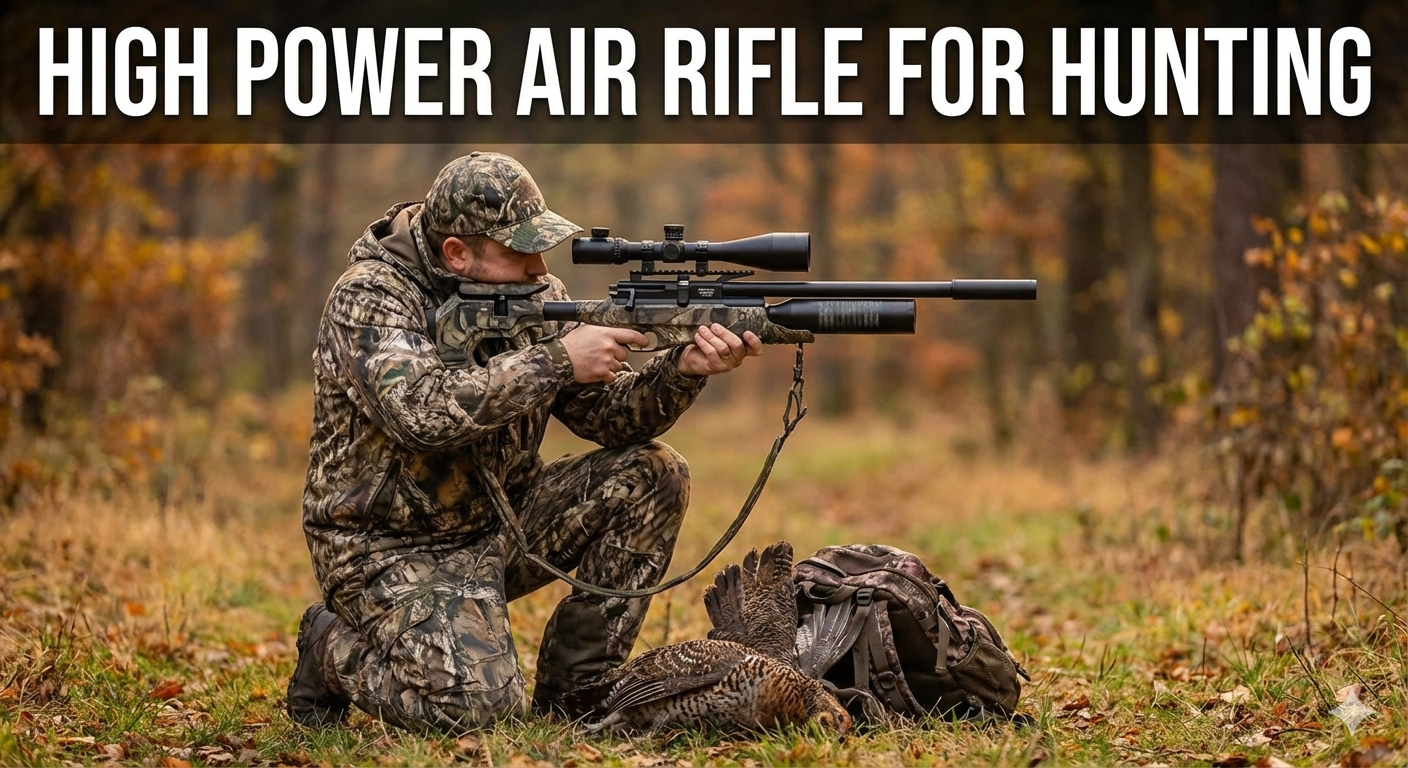
The world of airgun hunting has changed dramatically in recent years. What was once limited to low-powered backyard rifles for plinking and pest control has evolved into a serious hunting discipline supported by advanced engineering, powerful pre-charged pneumatic systems, and precision projectiles capable of delivering humane, ethical kills. Today’s high power air rifles can generate energy levels that rival small-caliber firearms, yet they remain quieter, more affordable to operate, and legal in many areas where traditional rifles are restricted.
For hunters who value stealth, accuracy, and efficiency, a high power air rifle offers a unique balance of power and control. Whether you are targeting small game such as rabbits and squirrels or pursuing larger animals like coyotes and wild hogs in regions where airgun hunting is permitted, choosing the right air rifle and understanding its capabilities is essential.
Table of Contents
What Defines a High Power Air Rifle?
A high power air rifle is typically classified by its muzzle energy rather than its velocity alone. While entry-level airguns may produce under 12 foot-pounds of energy, hunting-grade air rifles usually start at around 18 to 20 foot-pounds for small game and can exceed 100 foot-pounds in large-caliber PCP models designed for big game. These rifles rely on advanced propulsion systems such as pre-charged pneumatic (PCP), gas piston, or magnum spring-piston mechanisms, each offering different advantages in terms of consistency, power, and maintenance.
PCP air rifles dominate the high-power category because they store compressed air in an onboard cylinder and release it in a precisely metered burst with every shot. This results in exceptional accuracy, high shot-to-shot consistency, and the ability to fire heavy pellets or slugs at lethal energy levels. Gas piston and spring-piston rifles, while generally less powerful than PCP systems, still provide enough energy for small to medium game and are valued for their self-contained operation without the need for external air tanks.
Why Hunters Choose High Power Air Rifles
One of the biggest advantages of using a high power air rifle for hunting is reduced noise. Even powerful PCP rifles are far quieter than rimfire or centerfire firearms, especially when equipped with integrated moderators. This allows hunters to operate discreetly, making them ideal for pest control around farms, orchards, and semi-rural properties where noise restrictions apply.
Accuracy is another major factor. Modern air rifles are capable of exceptional precision, often achieving sub-inch groups at 50 yards when paired with quality optics and ammunition. The low recoil and smooth firing cycle of PCP rifles allow for precise shot placement, which is critical for ethical hunting.
Cost efficiency also plays an important role. Pellets and slugs are significantly cheaper than firearm ammunition, and air rifles do not require gunpowder or primers. Over time, this makes airgun hunting far more economical, especially for hunters who practice regularly.
Choosing the Right Caliber for Hunting
Caliber selection is one of the most important decisions when choosing a high power air rifle. The ideal caliber depends on the size of the game, the typical shooting distance, and the legal requirements in your region.
The .177 caliber is extremely fast and flat-shooting, making it suitable for small pests such as birds, rats, and squirrels. However, its lighter weight limits penetration on larger animals.
The .22 caliber is the most popular hunting choice because it offers an excellent balance between speed, energy, and penetration. With sufficient power, it is effective for rabbits, raccoons, foxes, and similar-sized game.
The .25 caliber delivers significantly more impact energy and better wind resistance, making it ideal for larger small game and medium predators. It is commonly used for coyotes and large raccoons where legal.
For big-game airgun hunting, calibers such as .30, .35, and even .45 are available in powerful PCP platforms. These rifles fire heavy slugs rather than traditional pellets and are capable of producing energy levels exceeding 150 foot-pounds, making them suitable for wild hogs and deer in regions where airgun hunting regulations allow it.
Power Requirements and Ethical Shot Placement
Power alone does not guarantee a humane kill. Ethical hunting with an air rifle depends on delivering sufficient energy to vital organs combined with precise shot placement. For small game, 18 to 25 foot-pounds of energy is generally adequate when the shot is placed in the brain or heart-lung area. Medium game may require 40 to 60 foot-pounds, while large game demands even higher energy levels and heavy, high-penetration slugs.
Because air rifle projectiles travel at lower velocities than firearm bullets, hunters must be especially mindful of trajectory and wind drift. Understanding your rifle’s ballistic performance and limiting shots to ethical distances is essential.
Pellet and Slug Selection
Ammunition choice plays a crucial role in hunting success. Traditional diabolo pellets are ideal for small to medium game because they expand on impact, transferring energy efficiently and minimizing over-penetration. Hollow point and soft-point designs are particularly effective for humane kills.
For high-power PCP rifles and larger calibers, solid slugs offer superior penetration and long-range stability. Their higher ballistic coefficient allows them to retain energy better at extended distances, making them the preferred choice for big-game airgun hunting.
Effective Range of High Power Air Rifles
The effective hunting range of an air rifle depends on caliber, power, and shooter skill. Most .177 and .22 rifles are best kept within 50 to 70 yards for ethical kills, while .25 and larger calibers can extend that range to 100 yards or more under ideal conditions. Beyond these distances, energy loss and wind drift significantly reduce the likelihood of a clean, humane shot.
Optics and Accessories
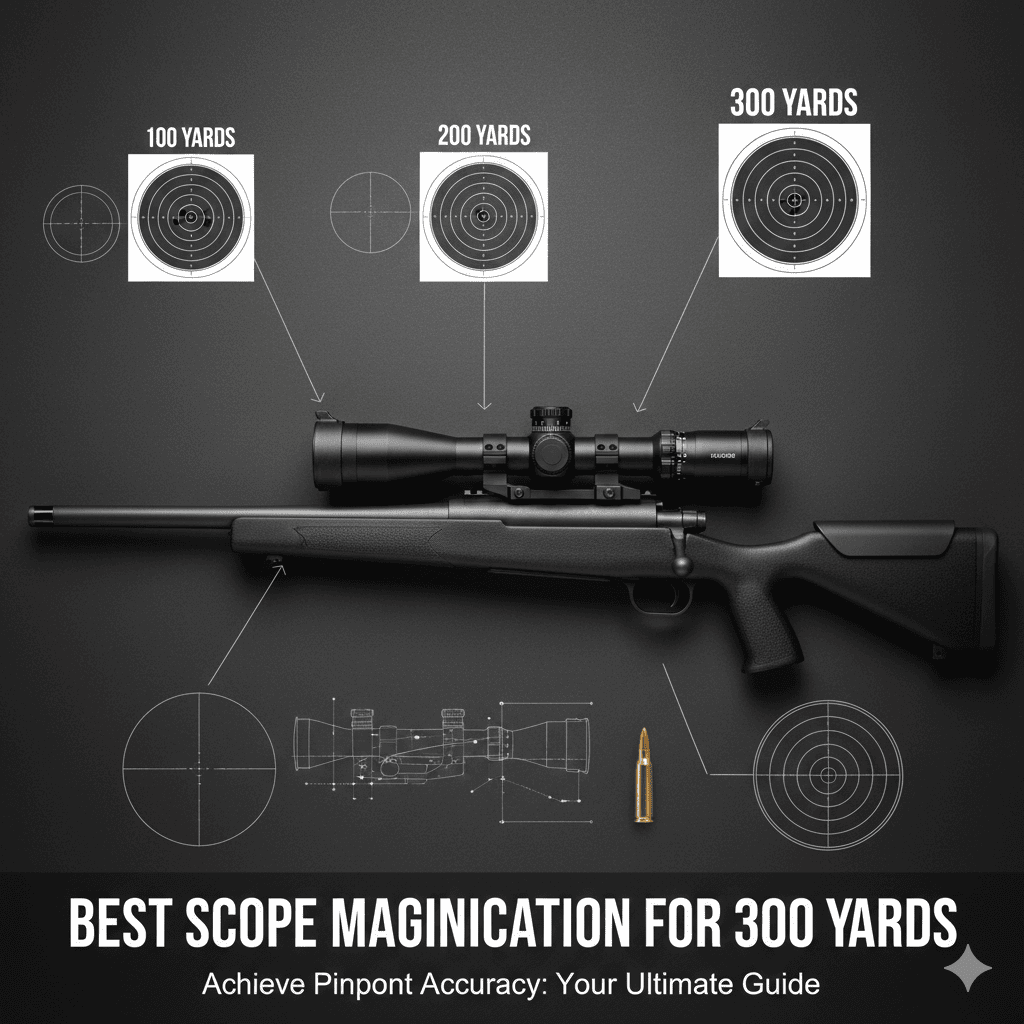
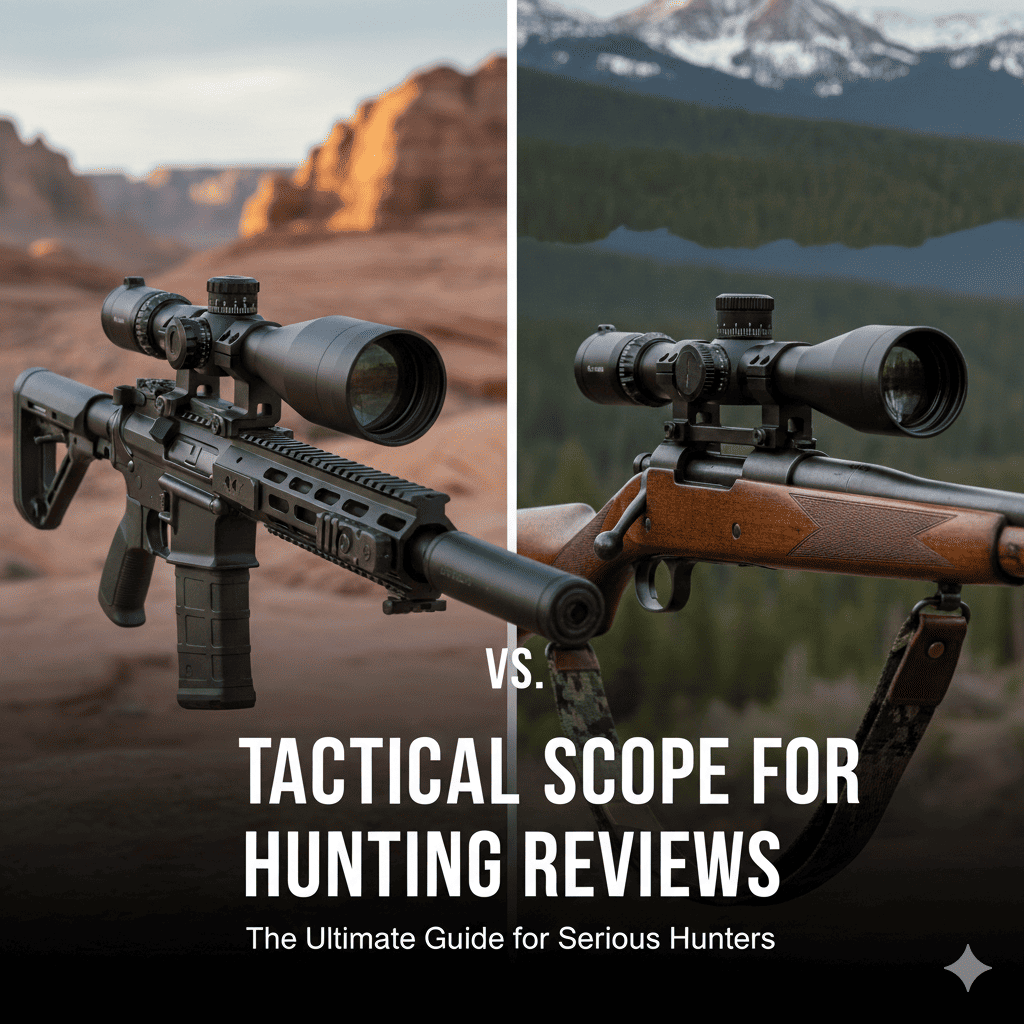
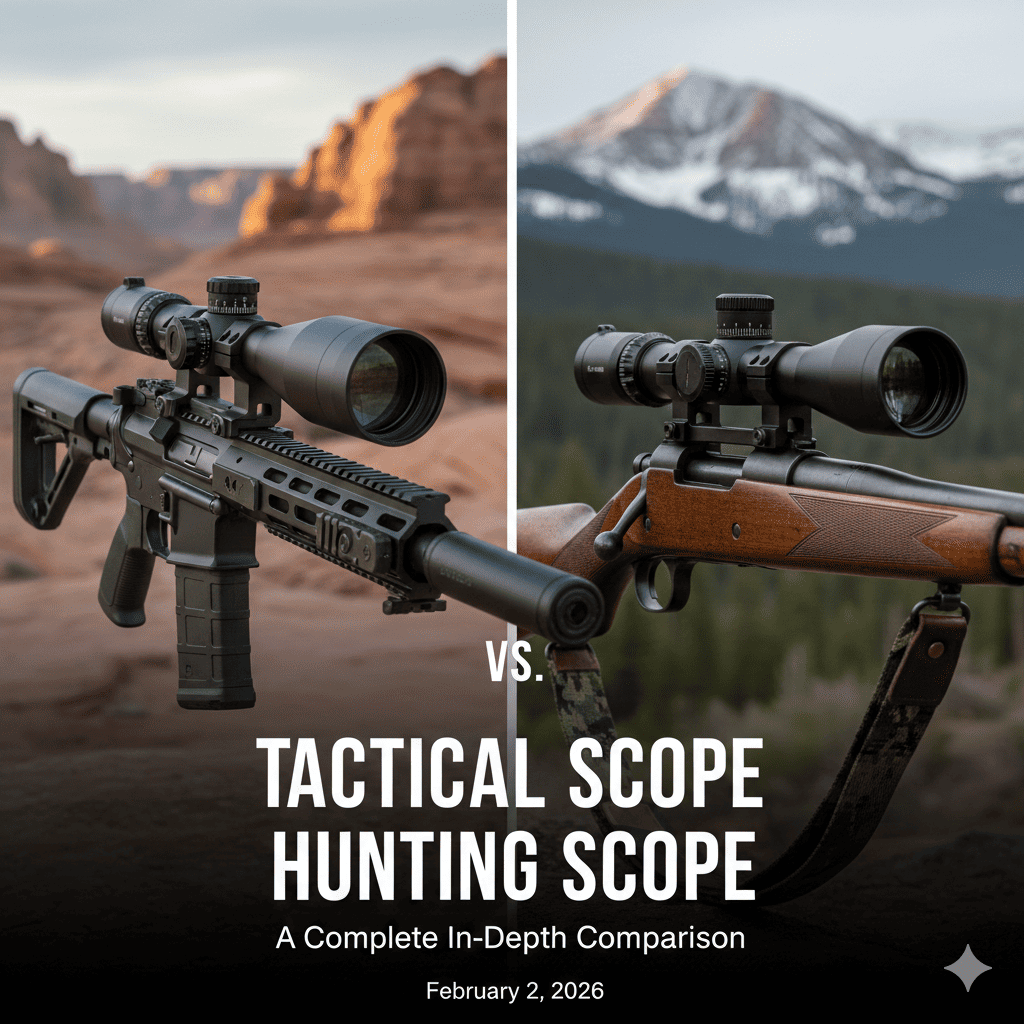
A high-quality scope designed for airgun use is essential for precision hunting. Air rifles, particularly spring-piston models, produce a unique recoil pattern that can damage standard firearm scopes. Airgun-rated optics with adjustable parallax and mil-dot or MOA reticles allow for accurate range estimation and holdover adjustments.
Other useful accessories include rangefinders, bipods, and suppressor-equipped barrels for noise reduction. For PCP rifles, a reliable air source such as a hand pump or high-pressure compressor is also necessary.
Legal Considerations
Before using a high power air rifle for hunting, it is crucial to understand local laws and regulations. Some regions classify high-powered airguns as firearms, while others allow their use for specific game species. Minimum caliber and energy requirements may apply, and certain animals may be restricted to firearm hunting only. Always verify legal guidelines and obtain the necessary permits before heading into the field.
Conclusion
High power air rifles have transformed the hunting landscape by offering a quiet, accurate, and highly effective alternative to traditional firearms. With modern PCP technology, advanced projectiles, and precision optics, today’s airgun hunter can ethically harvest game with confidence and consistency.
Success in air rifle hunting depends on choosing the right caliber, understanding power requirements, selecting proper ammunition, and practicing disciplined shot placement. When used responsibly and within legal limits, a high power air rifle is not just a substitute for a firearm it is a sophisticated hunting tool in its own right, capable of delivering clean, humane results while preserving the stealth and enjoyment that make airgun hunting such a rewarding experience.