Essential Range Gear Checklist: A Complete Guide for Safe
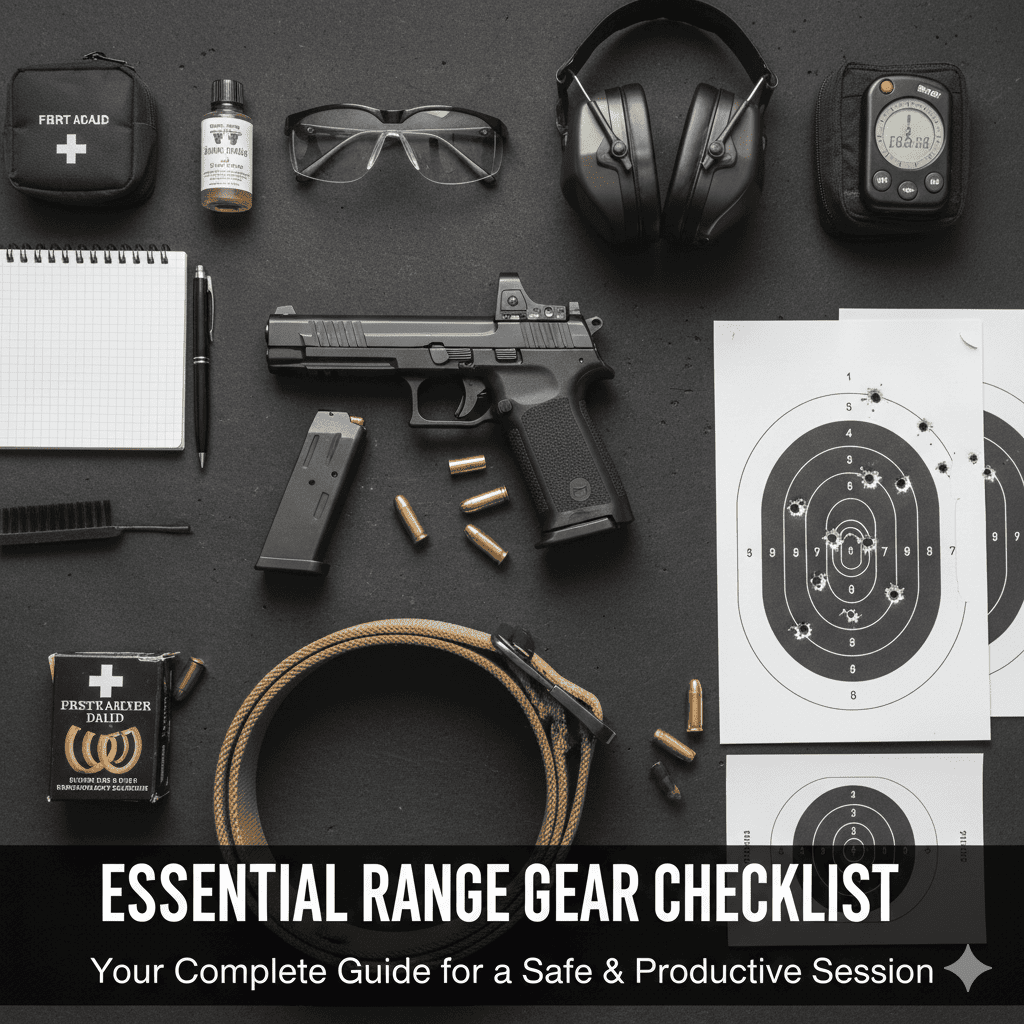
Preparing for a successful day at the shooting range involves much more than simply bringing a firearm and a box of ammunition. Shooters who consistently improve their accuracy, maintain strong safety habits, and enjoy stress-free range sessions are almost always the ones who arrive fully prepared. An essential range gear checklist is not just about convenience it is about safety, responsibility, performance, and long-term skill development.
This in-depth guide explains everything you truly need for the range, why each category of gear matters, and how proper preparation transforms an ordinary practice session into a focused and productive training experience.
Table of Contents
- The Importance of Proper Range Preparation
- Firearms and Ammunition: The Foundation of Every Range Visit
- Safety Equipment: The Non-Negotiable Core of Range Gear
- The Role of a Well-Organized Range Bag
- Targets and Training Tools: Giving Purpose to Practice
- Maintenance and Cleaning: Protecting Reliability and Longevity
- Comfort, Hydration, and Environmental Readiness
- Advanced Gear for Skill Development
- Safety Mindset and Range Etiquette
- Conclusion: Preparation as the Path to Progress
The Importance of Proper Range Preparation
Many beginners underestimate how much organization influences shooting performance. When key equipment is forgotten, shooters become distracted, rushed, or forced to end practice early. Even small oversights such as missing target tape or extra magazines can interrupt concentration and reduce the quality of training.
Proper preparation creates a smoother mental state. When every tool is available and easy to access, shooters can devote full attention to safety, technique, and accuracy. Over time, this consistency leads to faster improvement and a more professional approach to firearms handling.
Safety is another major reason preparation matters. Eye and ear protection, first-aid readiness, and secure firearm transport are not optional extras; they are fundamental responsibilities. A complete range checklist ensures these critical elements are never overlooked.
Firearms and Ammunition: The Foundation of Every Range Visit
At the center of any range trip is the firearm itself, yet responsible shooters focus equally on how the firearm is transported and handled before arriving. Firearms must always be unloaded, properly secured in a case, and transported according to local regulations. This preparation demonstrates respect for safety laws and protects both the owner and the public.
Equally important is bringing the correct ammunition in sufficient quantity. Using the wrong caliber is dangerous, while bringing too little ammunition cuts valuable practice time short. Experienced shooters often carry more ammunition than they expect to use, ensuring flexibility for additional drills or extended sessions. Keeping ammunition organized and clearly labeled also prevents confusion when multiple calibers are involved.
Magazines and loading tools play a subtle but powerful role in training efficiency. Preloaded magazines allow shooters to spend more time practicing fundamentals instead of constantly reloading. Over the course of many sessions, this saved time significantly increases total skill development.
Safety Equipment: The Non-Negotiable Core of Range Gear
No category of range gear is more important than safety equipment. Eye protection shields against unpredictable hazards such as ricochets, debris, or casing fragments. Quality lenses designed for shooting environments provide both impact resistance and clear vision, which supports accuracy as well as protection.
Hearing protection is equally critical because gunfire produces sound levels capable of causing permanent hearing damage in an instant. Consistent use of reliable ear protection preserves long-term hearing health and allows shooters to train comfortably for extended periods. Many experienced shooters prefer electronic hearing protection because it reduces harmful noise while still allowing normal conversation and awareness of range commands.
Beyond personal protection, responsible shooters also prepare for emergencies. Carrying a compact first-aid or trauma kit reflects a mature safety mindset. While serious incidents are rare, readiness to respond quickly can make a life-saving difference. This level of preparation is part of the broader culture of responsible firearms ownership.
The Role of a Well-Organized Range Bag
A durable, thoughtfully designed range bag becomes the central hub for all equipment. Without proper organization, even experienced shooters waste time searching for small items or risk damaging important gear. A good range bag protects firearms accessories, separates ammunition from tools, and keeps everything accessible in clearly defined compartments.
Organization also supports mental clarity. When every item has a consistent place, preparation becomes automatic and stress-free. This routine is one of the quiet habits that separates casual shooters from disciplined practitioners.
Magazine storage, loaders, and accessory compartments further streamline the shooting process. The less time spent managing equipment, the more time remains for meaningful training.
Targets and Training Tools: Giving Purpose to Practice
Shooting without defined targets or goals often leads to unfocused practice. Targets provide measurable feedback, allowing shooters to evaluate accuracy, consistency, and progress over time. Different target styles serve different purposes—some emphasize precision, while others highlight speed or shot placement.
Equally important are the simple supplies required to mount and maintain targets. Tape, staples, clips, or marking tools may seem minor, yet forgetting them can halt an entire session. Prepared shooters understand that small logistical details often determine whether training flows smoothly or becomes frustrating.
Structured target use transforms random shooting into deliberate practice. This shift is essential for real improvement.
Maintenance and Cleaning: Protecting Reliability and Longevity
Firearms are precision tools that require proper care. Even during a single range visit, residue and debris begin to accumulate. Basic cleaning supplies allow shooters to maintain reliability, prevent malfunctions, and preserve long-term accuracy.
A compact cleaning kit ensures that minor fouling or moisture never becomes a serious issue. Lubrication, bore cleaning, and surface wiping all contribute to consistent firearm performance. Over months and years, these small maintenance habits significantly extend the lifespan of valuable equipment.
Simple adjustment tools are equally useful. Optics may loosen, screws may shift, or sights may require fine tuning. Having the right tool available can rescue an entire training session that would otherwise be cut short.
Comfort, Hydration, and Environmental Readiness
Physical comfort directly affects shooting performance. Dehydration, fatigue, or exposure to harsh weather can reduce concentration and reaction time. Bringing water, light nutrition, and appropriate clothing ensures shooters remain focused and alert throughout the session.
Outdoor environments especially demand preparation. Sun protection, temperature-appropriate layers, and stable footwear all contribute to endurance and safety. When the body is comfortable, the mind can fully concentrate on technique and awareness.
Serious shooters also track their progress. Keeping notes about accuracy, distance, or drill performance turns casual range time into structured training. Over weeks and months, these records reveal patterns that guide meaningful improvement.
Advanced Gear for Skill Development
As shooters gain experience, additional tools can deepen training quality. Equipment that supports stability, timing analysis, malfunction simulation, or ballistic measurement introduces new layers of learning. While not required for beginners, these tools become valuable for those pursuing higher levels of precision and consistency.
The key principle is gradual progression. Mastery of fundamentals should always come before reliance on advanced equipment. When used correctly, however, these tools accelerate improvement and provide professional-level feedback.
Safety Mindset and Range Etiquette
Even the best equipment cannot replace disciplined behavior. True range readiness includes a constant commitment to safe firearm handling, awareness of surroundings, and respect for range rules. Responsible shooters maintain muzzle control, trigger discipline, and full attention to commands at all times.
Courtesy toward other shooters is equally important. Cleaning up spent materials, managing noise respectfully, and following facility guidelines help preserve a positive environment for everyone. This culture of responsibility protects the future of shooting sports and training facilities.
Conclusion: Preparation as the Path to Progress
A complete essential range gear checklist represents far more than a packing list. It reflects a mindset centered on safety, discipline, organization, and continuous improvement. Shooters who prepare thoroughly experience smoother sessions, stronger focus, and faster skill development.
By ensuring that firearms, ammunition, safety equipment, training tools, maintenance supplies, and comfort essentials are always ready, each visit to the range becomes purposeful rather than routine. Over time, this consistency builds confidence, responsibility, and true shooting proficiency.
In the end, success at the range does not begin with the first shot fired. It begins at home, with careful preparation and respect for the craft.