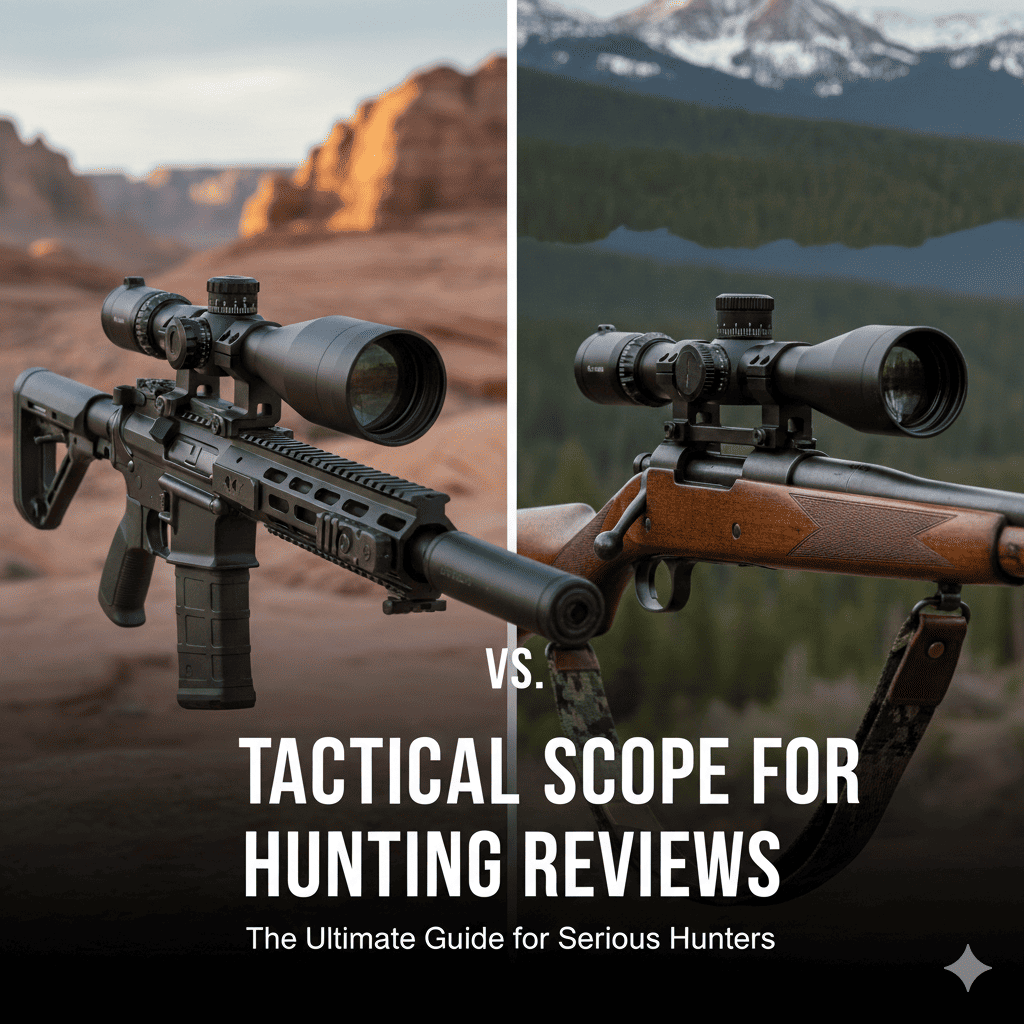
Tactical Scope vs Hunting Scope: A Complete In-Depth Comparison
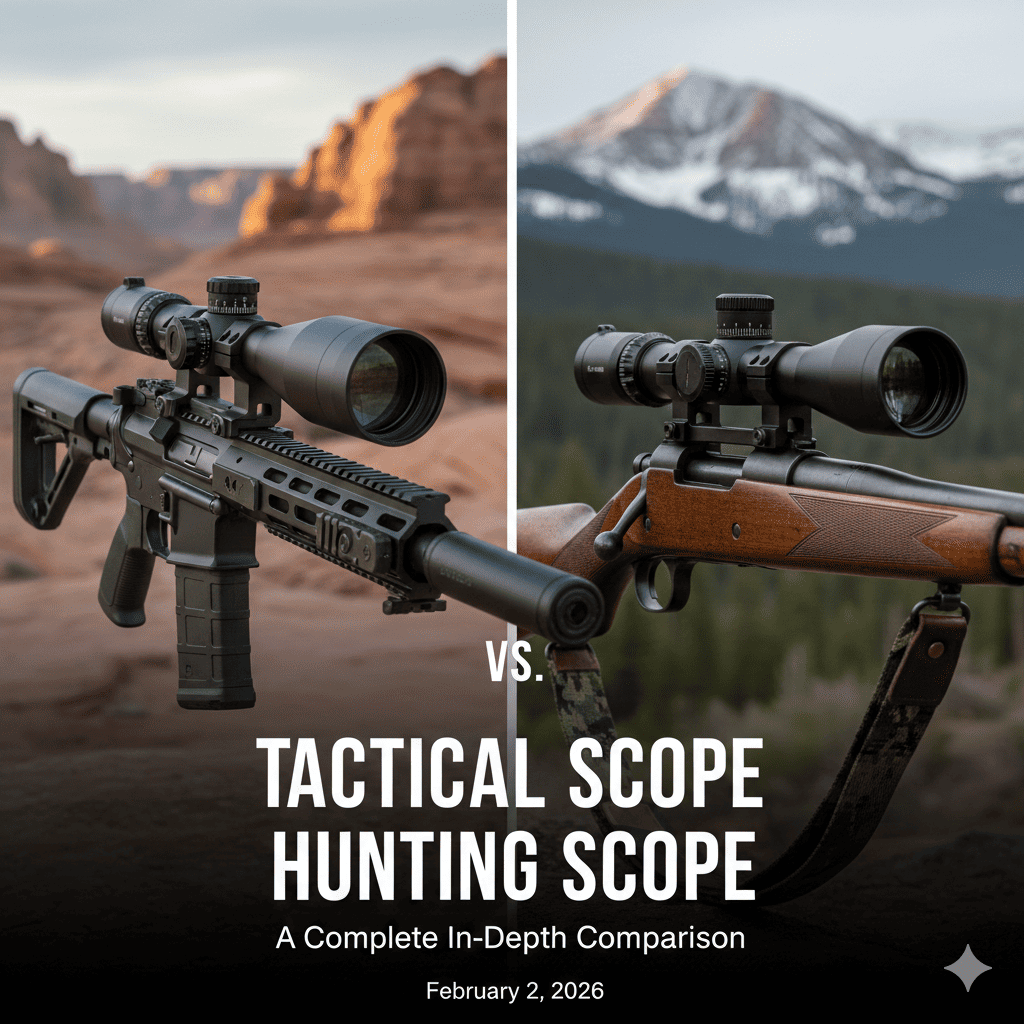
Choosing the right rifle scope is one of the most important decisions a shooter or hunter can make. A scope is not just an accessory; it directly affects accuracy, confidence, and overall performance. Among the most commonly compared options are tactical scopes and hunting scopes. While they may look similar at first glance, they are designed for very different purposes, shooting environments, and user expectations. Understanding these differences in detail is essential before investing in the right optic.

The debate around tactical scope vs hunting scope is not about which one is superior overall, but about which one is better suited to a specific application. Each scope type has been engineered with a clear use case in mind, and using the wrong one can make shooting unnecessarily difficult or uncomfortable.
Table of Contents
Purpose and Intended Use
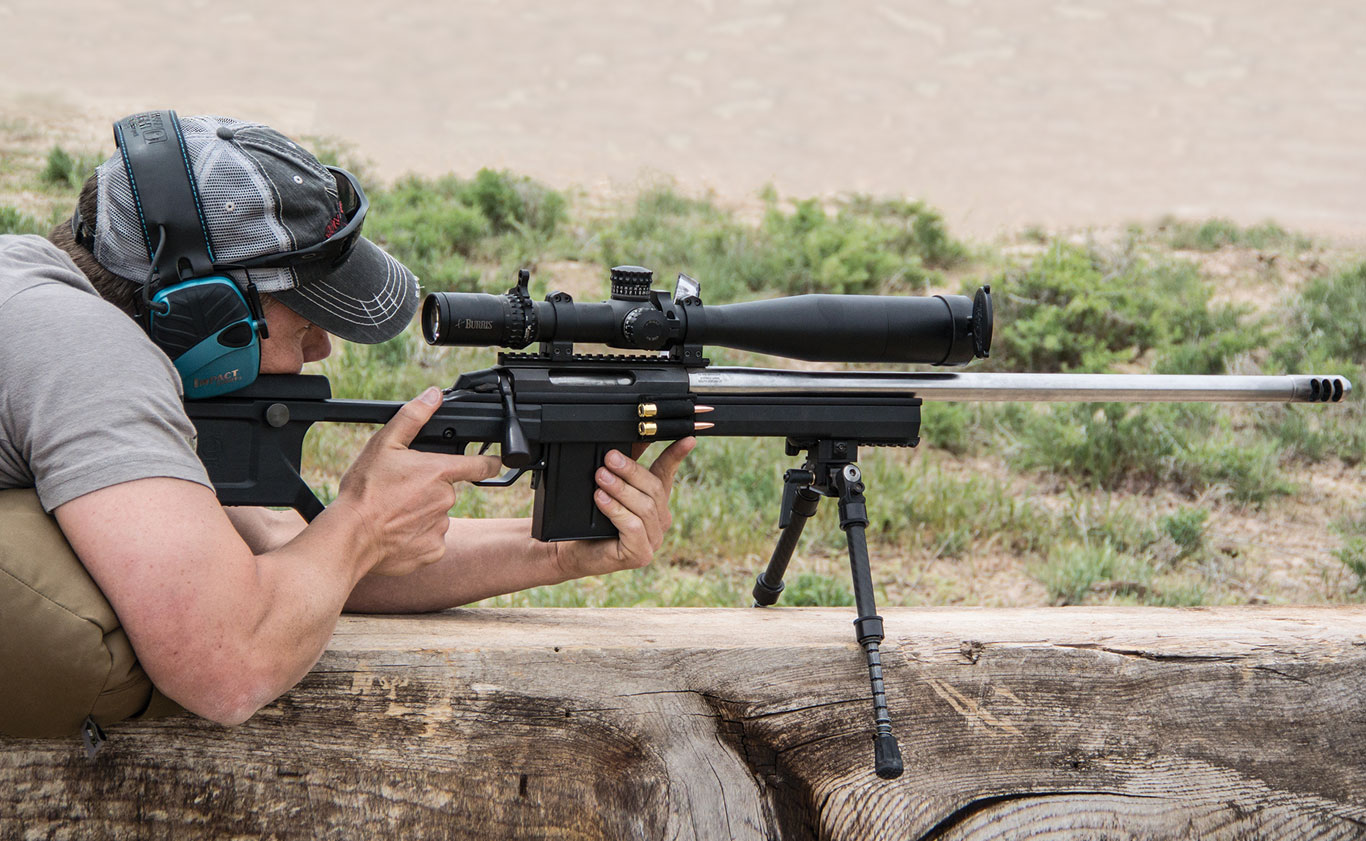
A tactical scope is primarily designed for precision shooting where accuracy at long distances is critical. These scopes are commonly used in tactical training, military or law enforcement contexts, long-range target shooting, and precision rifle competitions. In these situations, shooters often need to engage targets at varying distances and must make precise adjustments to account for bullet drop, wind drift, and elevation changes. Tactical scopes are built to support constant adjustments and detailed ballistic calculations.
A hunting scope, on the other hand, is built for real-world field conditions where speed, simplicity, and reliability matter more than constant precision adjustments. Hunters usually take one carefully placed shot, often under time pressure, in changing weather conditions and uneven terrain. Hunting scopes are designed to be intuitive, lightweight, and dependable, allowing the hunter to focus on the animal rather than on adjusting complex controls.
Reticle Design and Practical Use
One of the most noticeable differences between tactical and hunting scopes is the reticle. Tactical scopes typically use complex reticles that include measurement markings such as mil-dots or grid-style patterns. These markings allow the shooter to estimate range, hold for wind, and compensate for bullet drop without dialing the turrets every time. In many tactical scopes, the reticle is placed in the first focal plane, meaning it changes size as magnification changes, keeping measurements accurate at all zoom levels.
Hunting scopes generally use simpler reticles, often a traditional duplex or basic crosshair. The goal here is quick target acquisition rather than measurement. The reticle remains easy to see in low light and does not clutter the sight picture. Most hunting scopes use a second focal plane reticle, meaning the reticle stays the same size regardless of magnification. This makes aiming more intuitive, especially for hunters who do not want to think about reticle scaling while lining up a shot.
Turrets and Adjustment Philosophy
Tactical scopes are built around the idea of frequent and precise adjustments. Their turrets are usually exposed, oversized, and clearly marked, allowing shooters to dial elevation and windage quickly and accurately. These turrets are designed to track perfectly, meaning that every click corresponds exactly to the expected point-of-impact change. Many tactical scopes also include zero-stop systems, which allow the shooter to return instantly to their zeroed position without looking.
In contrast, hunting scopes are designed to be adjusted once and then left alone. After zeroing the rifle, most hunters rarely touch the turrets again. To support this style of use, hunting scopes usually feature capped turrets that protect against accidental movement while walking through brush or climbing terrain. This design reduces complexity and ensures the rifle stays zeroed throughout the hunt.
Magnification and Field of View
Magnification range is another major difference between tactical and hunting scopes. Tactical scopes often offer high magnification ranges to support long-distance shooting. High magnification helps shooters clearly identify distant targets and make precise shots at extended ranges. However, higher magnification also narrows the field of view, which is acceptable in controlled shooting environments where targets are stationary.
Hunting scopes usually prioritize a wider field of view over extreme magnification. Lower magnification allows hunters to quickly locate animals, track movement, and maintain situational awareness. In many hunting scenarios, shots are taken at relatively short to medium distances, making extremely high magnification unnecessary and even counterproductive.
Weight, Size, and Handling
Tactical scopes are typically larger and heavier due to their robust construction and advanced internal mechanisms. The additional weight comes from thicker housings, larger lenses, and reinforced components designed to handle repeated recoil and harsh use. While this added weight improves durability and stability, it can make the rifle less comfortable to carry for long periods.
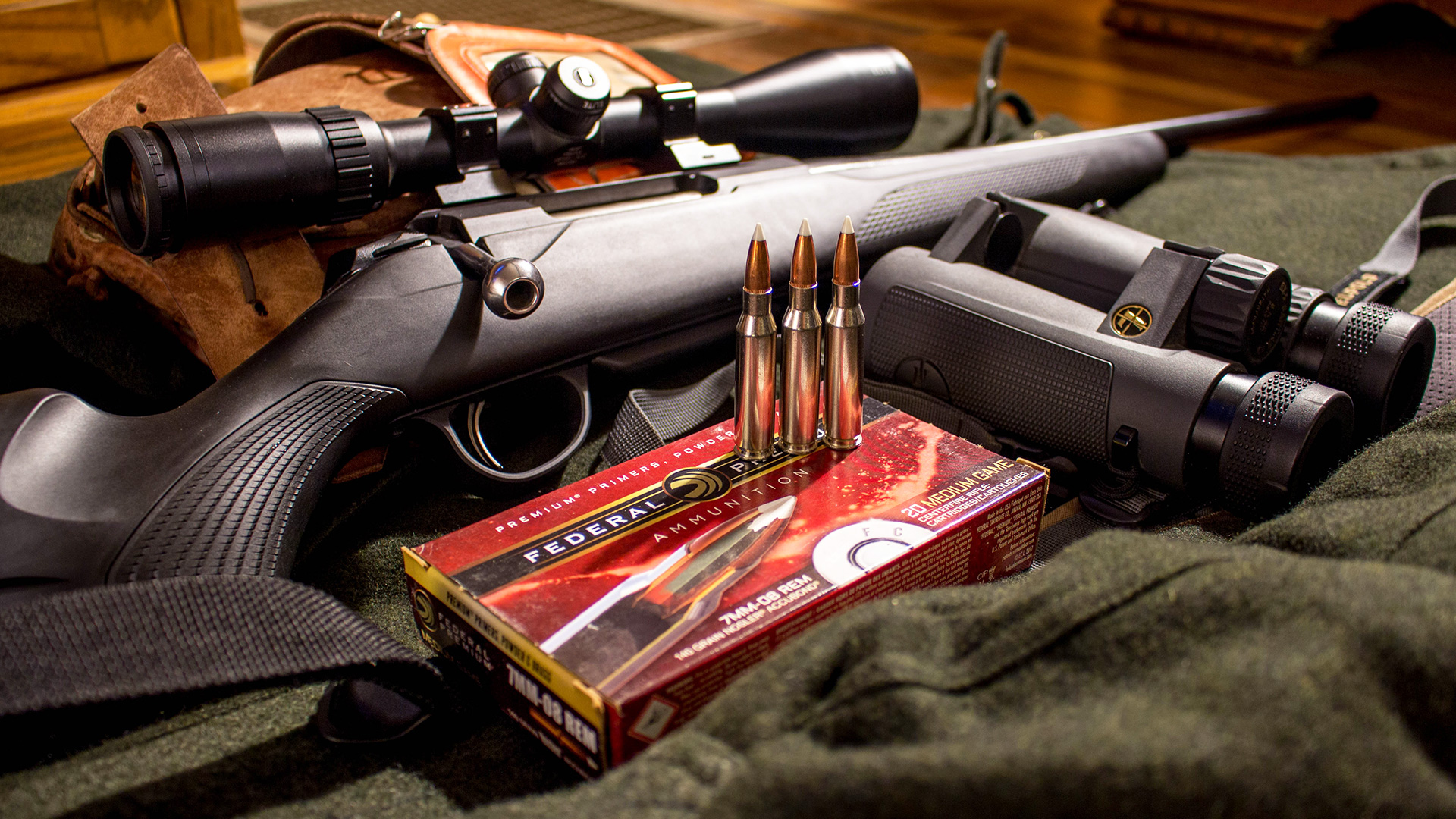
Hunting scopes are engineered with portability in mind. They are lighter and more compact, making them easier to carry during long hikes and extended hunts. A lighter scope also improves rifle balance, which is especially important for off-hand shooting or quick target acquisition in the field.
Durability and Environmental Performance
Tactical scopes are built to survive extreme conditions. They are designed to withstand hard impacts, heavy recoil, temperature changes, and constant use. This level of durability is essential in tactical and competitive environments where equipment failure is not an option.
Hunting scopes are also built to be weather-resistant and reliable, but they focus more on practical durability rather than extreme ruggedness. They are typically waterproof, fog-proof, and shock-resistant, but without the excessive reinforcement found in tactical optics. This balance keeps them reliable without adding unnecessary weight.
Cost and Value Considerations
Because of their advanced features and precision engineering, tactical scopes are generally more expensive. The cost reflects the complexity of the reticle, turret system, optical clarity, and mechanical accuracy. These scopes are often paired with high-end rifles and are considered long-term investments for serious shooters.
Hunting scopes offer a wider range of price options, from budget-friendly models to premium optics. Many hunters can find excellent performance without spending excessively, especially if their shooting distances and conditions are relatively consistent.
Final Thoughts
The choice between a tactical scope and a hunting scope ultimately comes down to how and where the rifle will be used. Tactical scopes excel in situations that demand precision, repeatability, and constant adjustment. They are ideal for shooters who enjoy long-range accuracy and detailed ballistic control. Hunting scopes, on the other hand, are built for simplicity, speed, and comfort in real-world environments where a single accurate shot matters most.
Understanding these differences ensures that you select a scope that complements your shooting style rather than working against it. When matched correctly, the right scope enhances confidence, accuracy, and overall shooting enjoyment.